
Your Competitors are Better than You Think They Are

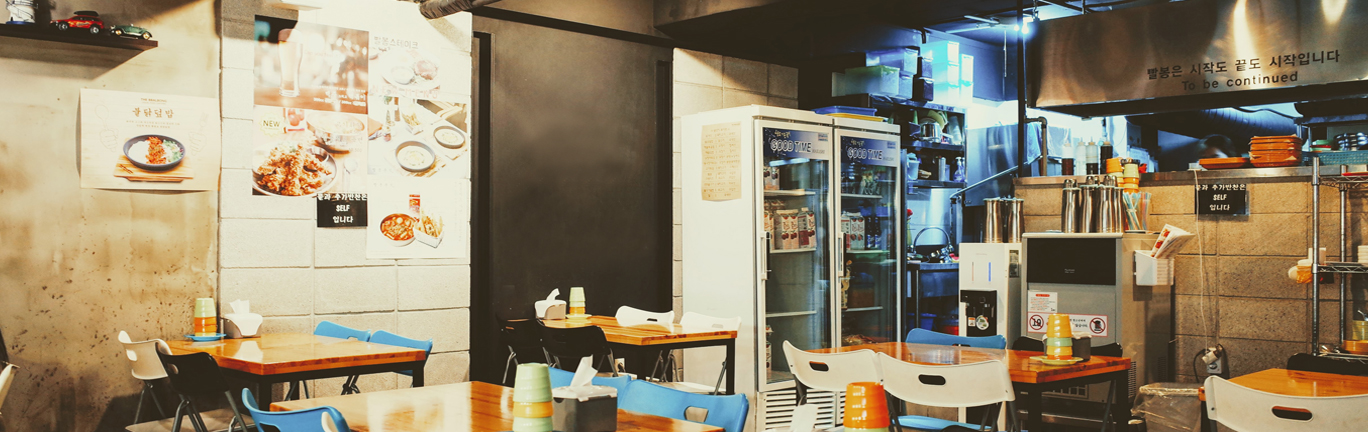
Many restaurant owners enter a market assured that there is no direct competitor to their business or that the existing competitors are terrible and that a new restaurant will effortlessly blow them out of the water.

If only it were that simple ……

There is a reason why a restaurant has survived 3, 5 or 10 years, and has loyal customers.

Perhaps people love the food (even if you don´t).

Perhaps people are accustomed to the service (even if you find it lacking) … or

Perhaps, out of habit, people are just comfortable choosing your competitor.

Whatever the reason, you should never underestimate the competition, especially competition that serves the same cuisine, operates at the same price point or is physically close to your restaurant.

Instead you should visit the competition and take notes of how many customers are there? What are people ordering? What is the staff saying to customers and what are the customers saying?

At the same time, listen to customers in your own restaurant. Do they mention any of your competition during their meal — make sure that staff pass such comments back to you. By trying to understand why your customers also choose your competition, it may give you some valuable insight into how to make your restaurant better.
What is restaurant “software” and why does it matter?

Many restaurants look great. Beautiful decor, a lovely location, an attractive menu. But something feels off.

Maybe the lighting is wrong, or the music is terrible and the wait staff are grumpy, if not totally aggressive. The feeling of the restaurant is cold and negative. What’s wrong here?

I call this a ¨software¨ problem.

The hardware is the physical restaurant: the building, the interior decoration, the crockery, the menu. The software is everything else: the friendliness, the service, the music, the lighting, the feeling of being in the restaurant — or to use that overused word …. the vibe.

If the software is right, you are well on the way to having a winner. If the software is wrong, then I don’t think that a fantastic menu and a fantastic building in a fantastic location is going to save you.

Here a 4 things that can help you get the right vibe:

  1. Hire the right people.
  2. Pay attention to the music.
  3. Focus on the lighting.
  4. Create the right mood that builds energy in the space.

How to Engineer Your Menu

Over the years I’ve seen hundreds of menus, both as a customer and an advisor, and here are 7 of my thoughts on how to engineer a menu, taken from what I have seen and read in my travels.

The idea is to engage customers to spend more, and on the dishes you choose, and believe it or not, these work!

  1. Look at your item positioning on your menu – there are places the customer’s eye goes to — so put your best stuff there.
  2. Similarly consider using some boxes to highlight high margin menu items in an attempt to improve sales.
  3. I don’t like the use of $ dollar signs. You want your customer to think about the dining experience, and not just the price of the item.
  4. Along the same lines, think about whether you want cents in your pricing, eg. $9.95. If you have a fast food restaurant or takeaway then it may be appropriate; showing cents makes the customer think more about the price. Fine if you’re selling Burgers, but perhaps not if you’re selling Lobster.
  5. I’ve always liked the number 9 (and studies back me up here). So I wouldn’t think about charging $20 for something, when I could just as easily charge $19 and increase the sales of the item … profit margin permitting.
  6. Another counter-intuitive way to make a menu seem more affordable is to put something very expensive on it. Yes. Really. It’s called comparative pricing, and good restaurants use this technique to maintain margins on their big sellers. For example, if they want their customers to buy the $29 Oysters, they put the item next to a Seafood Platter for $79. They don’t sell many of the platters, but they sell a lot of Oysters. The same thing can work for wine lists — but ensure you put some cheaper items near the top as you want your customer to find something they can afford, rather than nothing at all.
  7. Consider embedding your prices in the menu listing. Instead of:

Roast Chicken                                  23

Filet Mignon                                     32

Just move those numbers left:

Roast Chicken  23

Filet Mignon  32

The easier it is for your customer to make a decision, the less time they’ll spend on it and the less they’ll second guess their choice.

These are just my thoughts on some menu engineering techniques, but it should give you an idea or two.

LIABILITY LIMITED BY A SCHEME APPROVED UNDER PROFESSIONAL STANDARDS LEGISLATION